A child’s room needs three kinds of light that grow with the child: soft, dimmable general light that does not shine straight into a baby’s eyes, light by the bed with a switch within reach, and from school age an adjustable desk lamp. Keep 230 V lamps out of reach of crawling children, and for the evening and the night choose warm, low light below 3000 K: children’s eyes filter blue light less well than those of adults.
Light in a child’s room has to do three things: be calm and subdued for a baby, be safe for a child who touches everything, and give enough light for homework as the child gets older. Licht.wissen 14, the licht.de brochure on light in the home, sums it up: lighting in a child’s room should be able to grow with the child and keep adapting to new situations.
So do not plan one lamp, but layers: dimmable general light, light by the bed, later a desk lamp, and a night light. Each layer switched separately. Then at each new stage of life you only need to move or add a lamp.
What light does a nursery need?
A baby lies on its back and looks at the ceiling. Licht.wissen 14 therefore advises against direct light from above in a nursery, because babies are very sensitive to light. A ceiling light with an opal or fabric shade, dimmed, is better than a spotlight that shines straight into the cot.
At the changing table something else is at play. It usually stands against a wall, so you have your back to the ceiling light and your own shadow falls on the baby. Licht.wissen 14 names glare-free wall, clamp or floor lamps that give indirect or shielded light as the solution there. A small wall light next to the table, or a clamp lamp that you turn towards the wall, does that.
For night feeds you want just enough light to see what you are doing. A dimmable lamp on its lowest setting or a night light with warm light is enough, and it disturbs the baby and you the least.
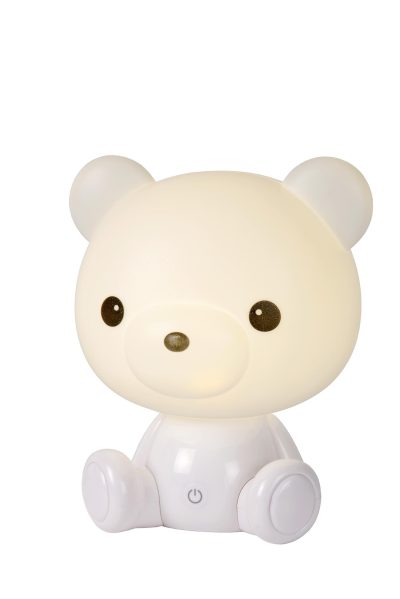
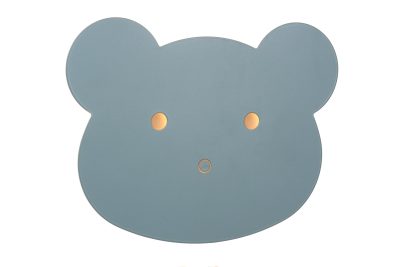
 LUCIDE PINCHA CAPYBARA
A rechargeable night light in soft silicone with 23 lumens at 2100 K, dimmable. There is no cable running to the socket, and the light is warm and faint enough to leave on at night. €22.46
Which night light is good for a child?
Warm and faint. In 2019 the French health agency ANSES examined the effects of LED light on health. Two findings matter here: even small amounts of blue-rich light in the evening or at night disrupt the biological rhythm and therefore sleep, and the lens of a child’s eye filters blue light much less well than an adult’s. ANSES recommends exposing children to as little strongly blue-rich light as possible before bedtime and at night, and for lighting in the home it favours warm white, below 3000 K, preferably indirect or with a diffuser.
In practice: a night light of 2000 to 2700 K and a few dozen lumens, preferably dimmable. Many children find it reassuring to recognise their room at night; licht.wissen 14 mentions plug-in night lights with economical LEDs as a solution, which also serve as orientation lighting in the hallway. ANSES also names the screens of smartphones, tablets and computers as an important source of blue-rich light; limit them before bedtime.
Light by the bed: reading without getting up
As soon as a child reads on their own, they want light by the bed that they can operate themselves. Licht.wissen 14 mentions fixed wall lights or table lamps with a swivelling and tilting head, so that the light falls on the book and does not dazzle. Licht.wissen 14 also recommends an extra switch by the bed for the ceiling light: then nobody has to walk to the door in the dark.
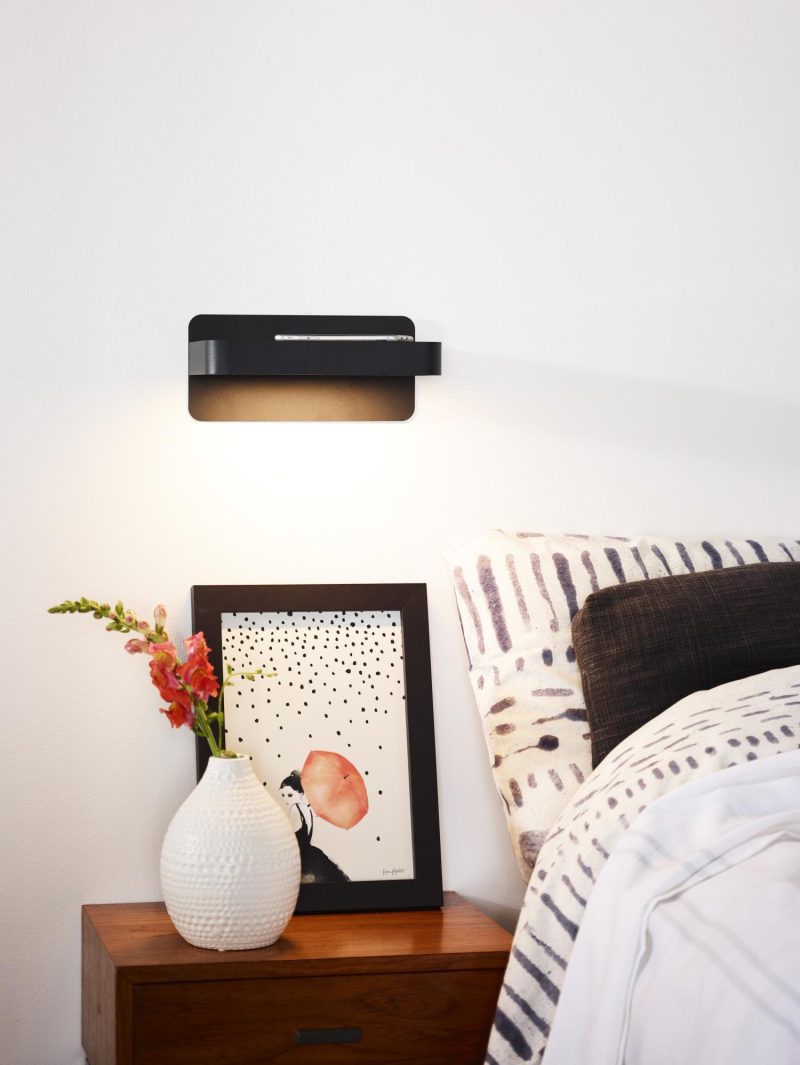
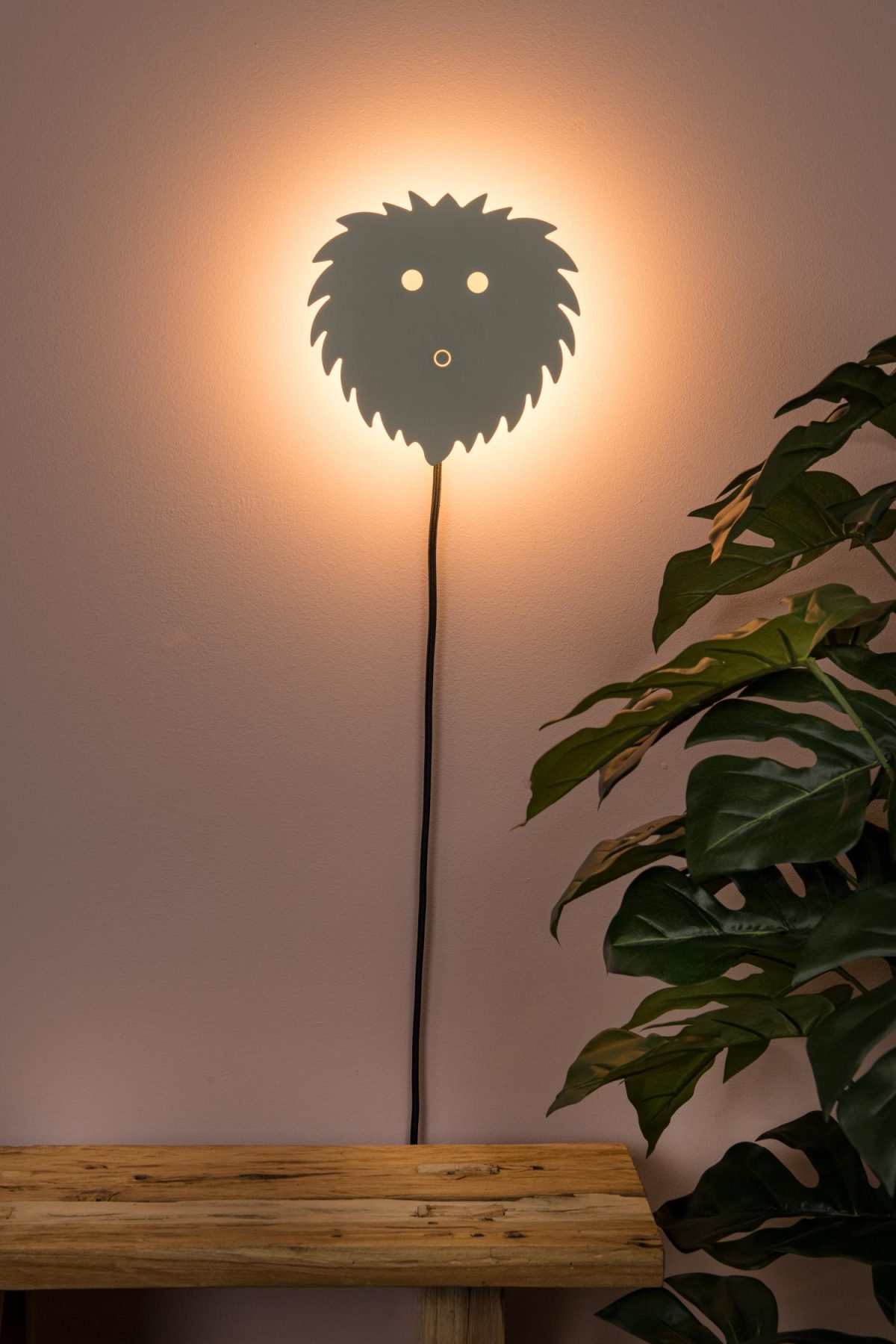
A wall light has an advantage next to a child’s bed: it does not stand on a bedside table where it can fall over or where a child can pull the cable. Choose a lamp with a shielded light source and a switch in a place the child can reach from bed.
Lamps for a child’s room
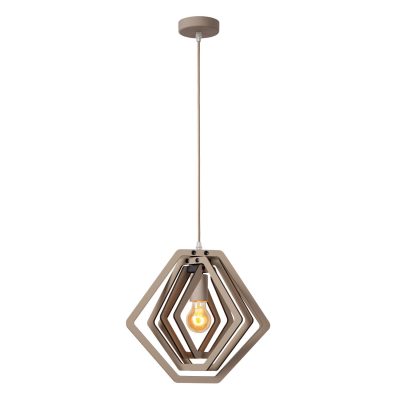
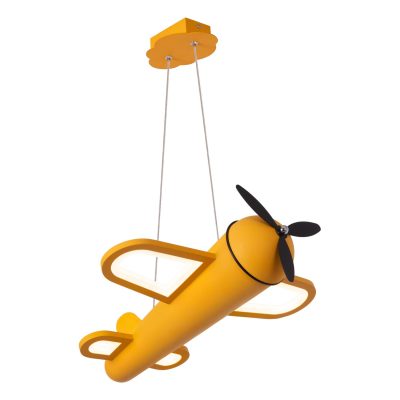
View allDimmable table and wall lights and pendant lights designed for a child’s room.
A desk lamp for homework: which side should the light come from?
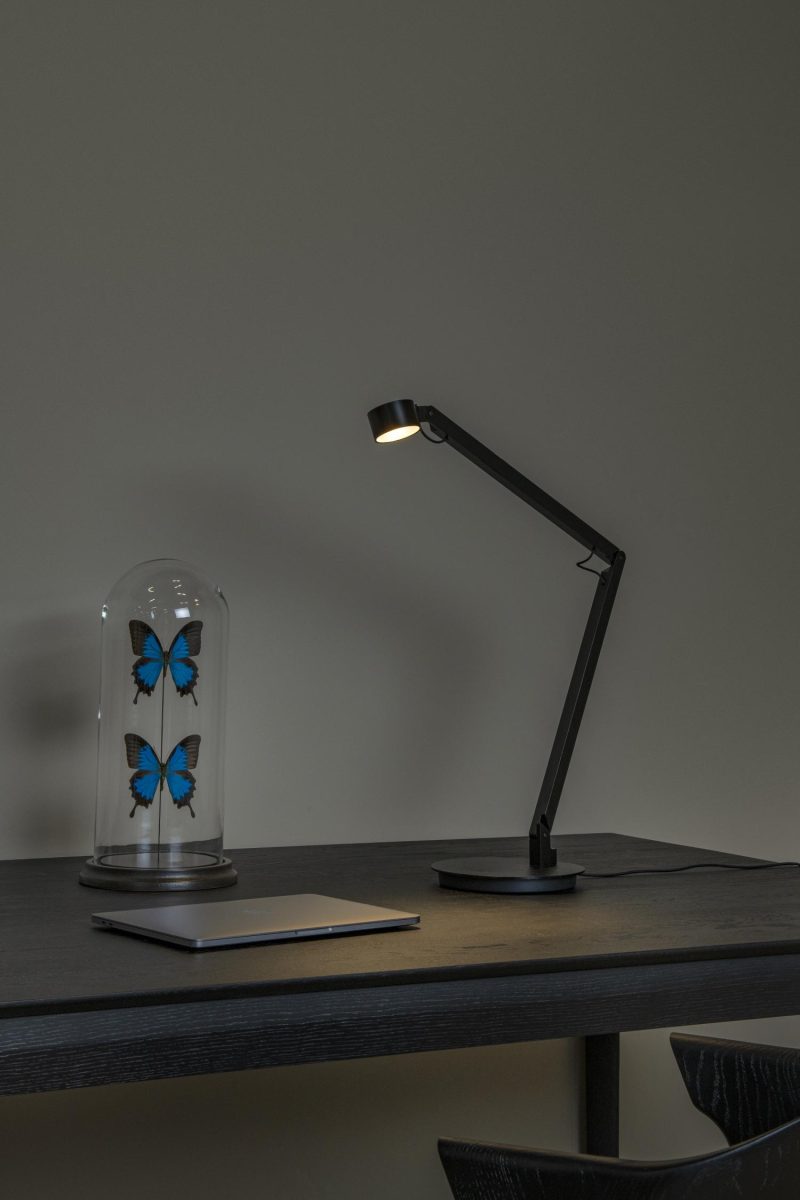
For a right-handed child the light comes from the left, for a left-handed child from the right. Otherwise the shadow of the hand falls on the page. Licht.wissen 14 gives that rule, and recommends a desk lamp that can be adjusted in many directions and lights the whole desk evenly.
Two details that are often forgotten:
- There also needs to be light in the room. A brightly lit desk in a dark room tires the eyes, because they constantly have to switch between light and dark. Leave the ceiling light or a floor lamp on as well, dimmed.
- Watch the screen. If a computer is added, aim the lamp so that it does not reflect in the screen.
For reading and writing, licht.de gives 500 lux on the work surface as the minimum for a workplace at home, with a colour rendering of Ra 80 or more. A desk lamp of 400 to 600 lumens at 40 to 50 cm from the page comes close to that. More about workplaces at home in desk lighting.
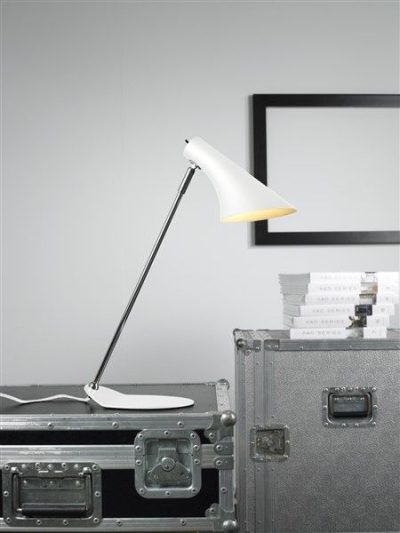
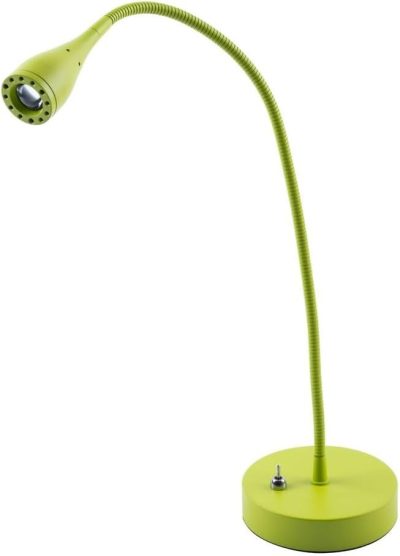
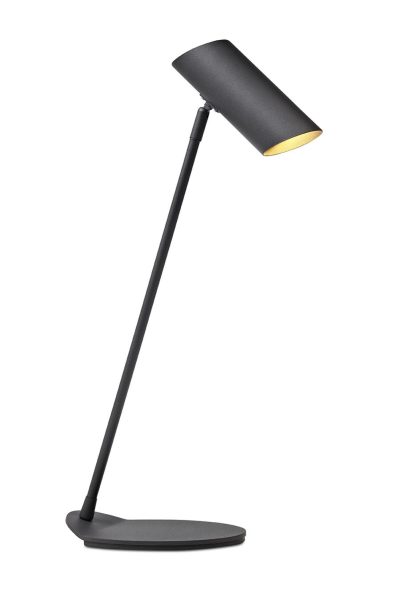
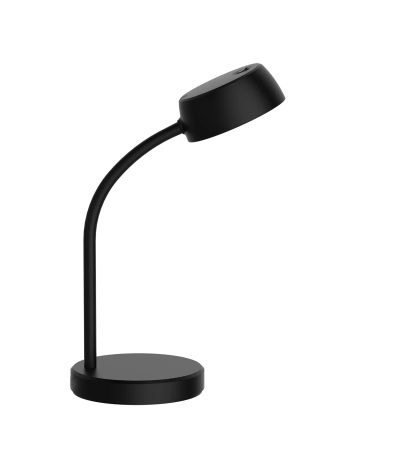
Desk lamps and clamp lamps for homework
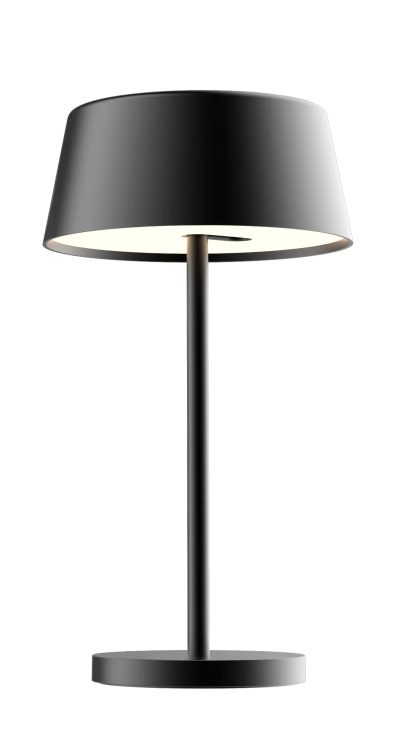
View allDesk and clamp lamps that you aim at the page; most of them are dimmable.
Is there a safety standard for children’s lamps?
Yes, in part. Portable lamps that are clearly intended for children and run on mains power fall under their own European standard, EN 60598-2-10, with particular requirements for children’s lamps on top of the general luminaire standards. Battery-powered or rechargeable lamps, plug-in night lights and toys fall outside that standard; other rules apply there. So for a lamp for a child’s room, look for the CE mark and the instructions, and in places the child can reach, preferably choose a lamp without a 230 V cable.
If you want to know how to tackle the rest of the bedroom, read bedroom lighting; colour temperature is covered in choosing a colour temperature.
Frequently asked questions
Can a night light stay on all night?
Yes, if it is warm and faint. A night light of a few dozen lumens at 2000 to 2700 K is meant to stay on. An LED uses little power doing so. Choose a model you can dim or switch off with a timer once your child no longer needs the light.
Is a ceiling light with spotlights suitable for a nursery?
Only if the spotlights are not aimed at the cot or the changing table and you can dim them. A baby looks upwards, so light that shines straight down falls into its eyes. A diffuse ceiling light or indirect light is calmer.
Which colour temperature do I choose for a child’s desk lamp?
Around 3000 K is a good middle ground: warm enough for the evening, bright enough to read by. Cooler light for homework during the day is possible, but in the evening warmer light is better for the sleep rhythm.
How do I stop a child from pulling on lamp cables?
Use fixed wall lights or ceiling lights where possible, run cables behind furniture or in a cable duct, and in places within reach choose rechargeable lamps. Extension leads and cables do not belong on the floor where a child crawls.
Sources
- licht.wissen 14: Licht für Wohnräume (hoofdstuk Licht im Kinder- und Jugendzimmer), licht.de (ZVEI) (2019)
- LEDs: ANSES’s recommendations for limiting exposure to blue light, ANSES (2019)
- LEDs & blue light, ANSES (2019)
- BS EN 60598-2-10:2003 Luminaires. Particular requirements. Portable luminaires for children, BSI (catalogusbeschrijving) (2003)